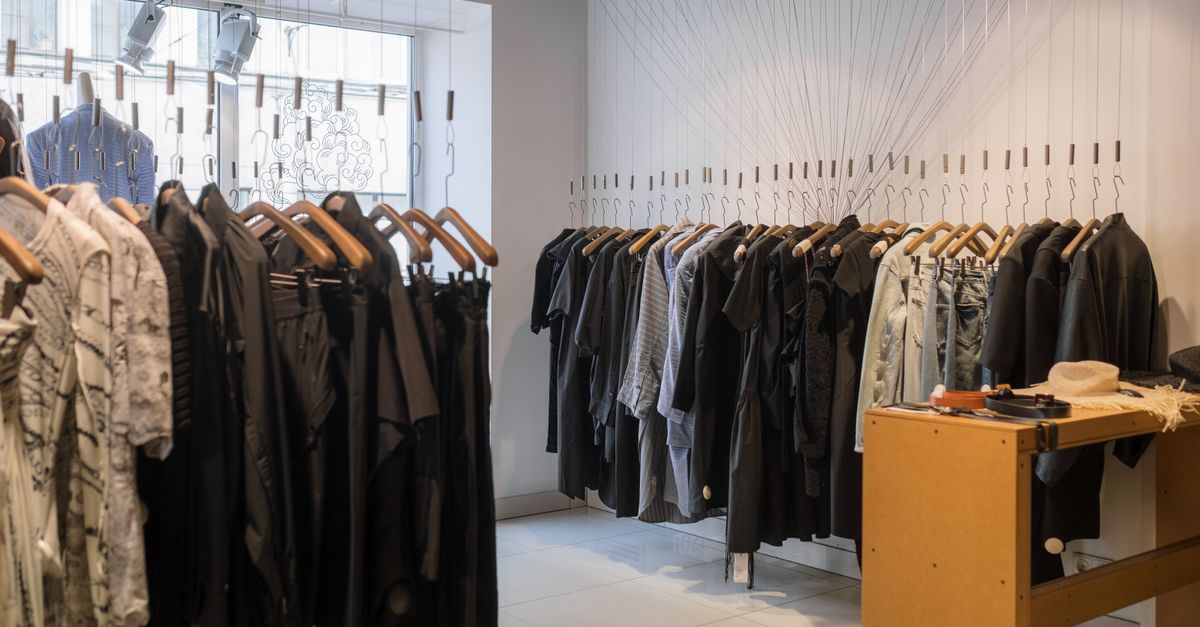
An honest side-by-side of Depop, Poshmark, eBay, and Vinted — who shops each app, what sells best where, and which one fits the clothes you have.
When it comes to Depop vs Poshmark vs eBay (and now Vinted), there is no single "best" app — each one attracts a different kind of buyer. Depop is best for trendy and vintage pieces, Poshmark for name brands, eBay for rare or niche items that need a massive audience, and Vinted for everyday basics priced to move. The smartest move is to match each piece to the app where its buyer already shops.
The quick answer: which app fits which clothes
Think of the four apps as four different stores on the same street. A shopper hunting for a 90s band tee walks into a different door than someone looking for a like-new Lululemon jacket or a pack of plain kids' tees.
If you only remember one thing: sell to the audience, not the app. A great item listed where nobody searches for it will sit for months. The same item on the right app can sell in a weekend. If you are not sure what your pieces are worth to begin with, our guide on what clothes sell best for resale is a good place to start.
Depop: trend-driven and younger buyers
Depop feels more like a social feed than a marketplace. Its shoppers skew Gen Z and college-age, and they browse by vibe — Y2K, streetwear, grunge, cottagecore, vintage denim, graphic tees, and whatever is trending on TikTok that month.
What sells well: vintage and thrifted finds, streetwear brands, statement pieces, and anything with a strong "aesthetic." Styled photos matter more here than anywhere else; flat, dim pictures get scrolled past.
What struggles: plain basics, business wear, and older mall brands without a vintage angle. Buyers also expect to haggle, so price with a little room.
Poshmark: brand names and closet-style shopping
Poshmark shoppers search by brand. They type in "Madewell," "Free People," "Lululemon," or "Coach" and filter by size. That makes it a strong home for recognizable mall, athleisure, and designer labels in good condition.
The community side is real too: sellers "share" listings to keep them visible, buyers send offers, and sales often come from bundle deals. That works well if you enjoy the daily routine, but it takes consistent effort to stay near the top of search results.
What struggles: unbranded items and very low-priced pieces, where the platform's cut can eat most of the profit.
eBay: huge reach and vintage or niche pieces
eBay has the biggest audience of the four, including collectors and shoppers well outside the fashion-app crowd. That reach is its superpower. If an item is rare, specific, or collectible — a vintage Levi's with a particular tab, a discontinued sneaker, a band shirt from a real tour, workwear, or outdoor gear — eBay is where the one person searching for it is most likely to find it.
eBay also rewards detail. Buyers search by exact terms like measurements, model numbers, and era, so thorough listings win. The trade-off is that fashion basics can get lost among millions of listings, and seller fees are typically higher than on the newer apps.
Vinted: casual, everyday wardrobe basics
Vinted grew huge in Europe and has become a go-to in the US for no-fuss, everyday clothing. Buyers come for good deals on wardrobe staples: jeans, sweaters, kids' clothes, and basics from brands like Old Navy, H&M, and Zara.
Because much of the fee is charged to the buyer rather than the seller, Vinted can make sense for lower-priced items that would lose too much to fees elsewhere. The flip side is that shoppers expect bargains, so it is rarely the place for premium pricing.
Depop vs Poshmark vs eBay vs Vinted: side-by-side comparison
Fees and policies change often, so treat this as a general guide and check each app's current seller terms before you list.
| Depop | Poshmark | eBay | Vinted | |
|---|---|---|---|---|
| Typical buyer | Gen Z, trend-driven | Brand shoppers, millennials | Everyone, incl. collectors | Bargain hunters, parents |
| Sells best | Vintage, Y2K, streetwear | Mall, athleisure, designer | Rare, vintage, niche, gear | Everyday basics, kids' clothes |
| Who pays most of the fees | Mostly the buyer (US) | The seller | The seller | Mostly the buyer |
| Effort to sell | Styled photos, haggling | Daily sharing, offers | Detailed listings | Low prices, quick replies |
| Biggest strength | Trend visibility | Brand search | Massive reach | Low-cost items still sell |
| Biggest weakness | Basics get ignored | Seller fees on small sales | Basics get buried | Low price expectations |
Notice the pattern: no app wins every row. That is why experienced resellers rarely stick to just one.
Skipping the choice: listing everywhere at once
Serious resellers "cross-list" — they post the same item on several apps to reach every possible buyer. It works, but it multiplies the work. You write four listings, answer four inboxes, and the moment something sells on one app you have to pull it everywhere else before someone buys it twice. Then you still have to pack and ship.
That is the part we take off your plate. At Ada's Closet, a student-run consignment shop at Spring Arbor University, we photograph, price, and list your clothes on Depop, eBay, Poshmark, and Vinted, so each piece reaches the audience most likely to buy it. We handle buyer questions and shipping, too.
Here is how it works for you:
- It is free to start. No upfront fees — we only earn when your item sells.
- You keep 50% of every sale. A simple 50/50 split, paid via Venmo or CashApp.
- Items are listed within about a week of drop-off at 106 E Main St, Spring Arbor, MI.
- Can't make it in? We offer pickup in the Spring Arbor and Jackson area for a small fee.
- Unsold items are returned to you or donated.
If you are still weighing whether to do it all yourself, our honest breakdown of consignment vs. selling yourself walks through the time and money on each side. You can also see the full process in our how it works section.
So, where should you sell your clothes?
If you have one or two special pieces and enjoy the hustle, pick the app that matches the item: Depop for trend and vintage, Poshmark for brands, eBay for rare finds, and Vinted for everyday basics. Price them fairly (our guide on how to price used clothes helps) and be ready to reply to buyers quickly.
If you have a full bag and a full calendar, you don't have to choose at all. Start consigning with Ada's Closet and let us put every piece in front of the right buyers on all four apps.