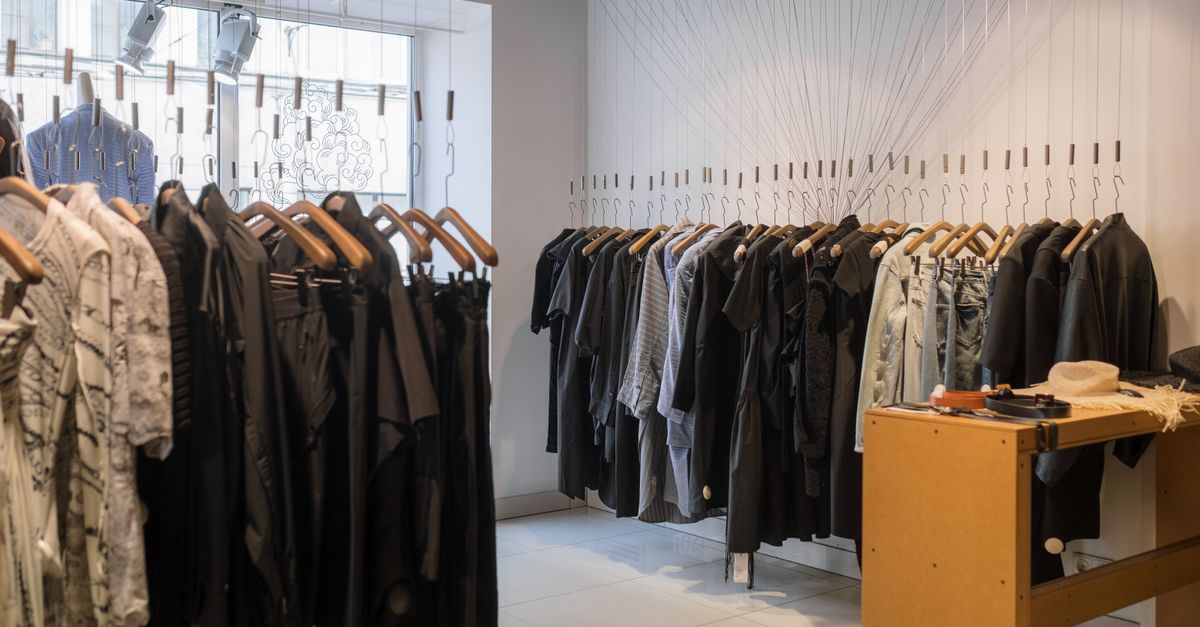
Summer's over and your closet is packed. A simple fall closet cleanout that clears space for sweater season and turns what you don't wear into cash.
A fall closet cleanout is the easiest reset of the year: sort your summer clothes into keep, store, and sell, bring cold-weather pieces forward, and turn anything you didn't wear into cash before it takes up another season of space. The whole thing takes an afternoon, not a weekend, if you go in with a plan. Here's the one we use.
Why fall is the best time to clean out
Fall hands you a clean decision point. Summer is still fresh, so you know exactly what you reached for in June, July, and August, and what sat on the hanger with the tags still on. That memory fades fast. By spring, you'll be guessing.
It's also a practical moment. Sweaters, flannels, and jackets take up far more room than tank tops and shorts, so something has to move out of the prime closet space anyway. If you're shuffling it all around, you may as well decide what's worth keeping at all.
And for college students, fall is when life resets. New semester, new schedule, maybe a smaller dorm or a new apartment. Starting the school year with a closet you actually use makes getting dressed for an 8 a.m. class a lot less painful.
Sort summer pieces: keep, store, or sell
Pull out every warm-weather item: shorts, sundresses, swimsuits, sandals, linen, graphic tees. Lay it all on the bed so you can see the full picture. Then give each piece one of three labels.
Keep (in rotation). Pieces that work year-round or layer well into fall: basic tees under a cardigan, lightweight button-downs, jeans, a slip dress you'll wear with boots and tights. These stay in your main closet.
Store. Clothes you truly love and wore this summer, but that won't make sense until May. Swimsuits, shorts, strappy sandals. These get cleaned and packed away.
Sell. Anything you didn't wear once this summer, anything that doesn't fit, and anything you only kept because you felt guilty about what you paid. Be honest here. If it didn't get worn in the season it was made for, it's not going to get worn next year either.
A quick gut check helps when you're stuck:
| Question | If yes | If no |
|---|---|---|
| Did I wear it at least twice this summer? | Keep or store | Lean toward sell |
| Does it fit right now, comfortably? | Keep or store | Sell |
| Can I wear it into fall with a layer? | Keep in rotation | Store or sell |
| Would I buy it again today? | Keep or store | Sell |
| Is it clean and free of stains, holes, or pilling? | Fine to store or sell | Repair, recycle, or donate |
Anything stained, stretched out, or worn thin doesn't belong in the sell pile. Wearable-but-plain items can go to donation, and truly worn-out pieces can be recycled as textiles.
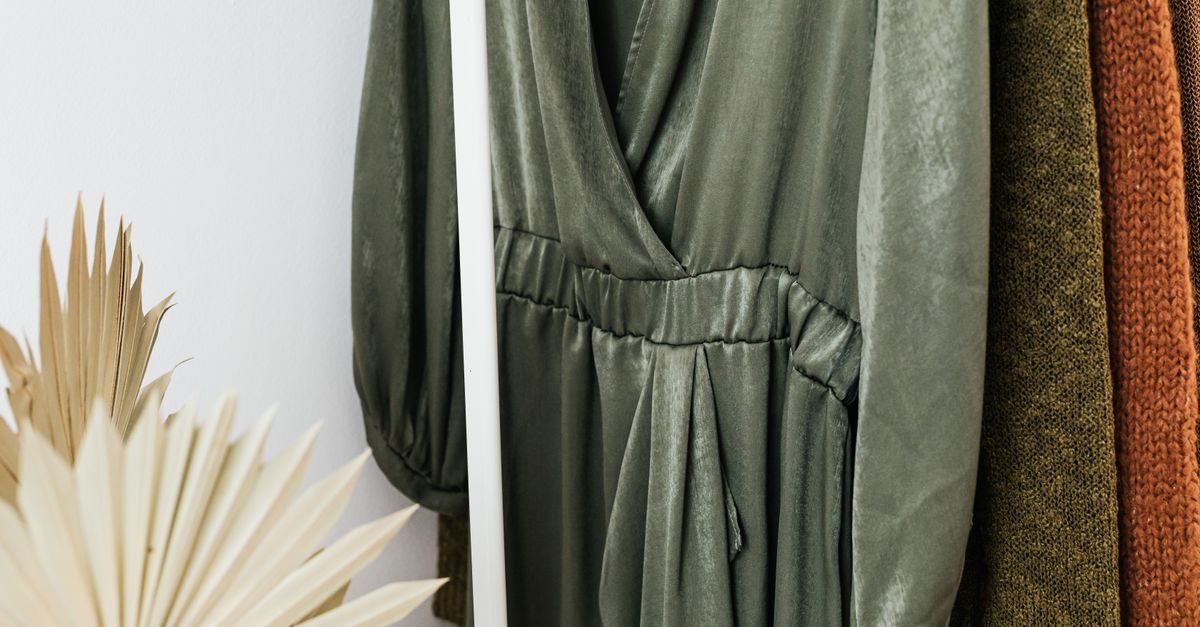
What sells well heading into fall and winter
Here's the part most people miss during a fall closet cleanout: your sell pile isn't just summer leftovers. It's also the cold-weather stuff from last year that you pulled out, looked at, and thought "not again."
Buyers shop ahead of the season, so the pieces people are actively hunting for right now tend to be:
- Outerwear. Puffer jackets, fleeces, denim and leather jackets, wool coats.
- Knitwear. Chunky sweaters, cardigans, quarter-zips.
- Recognizable brands. Outdoor and athletic names, well-known denim, and good-condition designer pieces.
- Boots. Clean, lightly worn boots in popular styles.
- Vintage and college gear. Old-school crewnecks and throwback sweatshirts always have fans.
Summer pieces can still sell in the fall, especially name-brand items in great condition, but they usually do better when the weather matches. If you're torn about a warm-weather piece that's in excellent shape, you can hang onto it until spring. Just don't store something indefinitely "for resale later." That's how closets fill back up.
For a deeper look at what moves quickly, see our guide to what clothes sell best on resale sites and the best clothing brands to resell.
Storing what you keep
Storage is where a lot of good clothes quietly get ruined. A few habits keep your summer favorites in shape until next year:
- Wash everything first. Sweat, sunscreen, and body oils can set into fabric over months and cause yellowing. Clean clothes also attract fewer pests.
- Make sure it's completely dry. Even slight dampness in a sealed bin can lead to mildew.
- Use breathable containers. Cotton storage bags or fabric bins let air move. Long-term sealed plastic can trap moisture.
- Fold, don't hang, heavy knits. Hanging stretches shoulders out of shape. Fold sweaters and stack them.
- Pick a cool, dry, dark spot. Under the bed or a closet shelf is better than a damp basement or a hot attic.
- Label the bins. "Summer — shorts and swim" saves you from digging through three boxes in May.
If you're living in a dorm or a small apartment, vacuum-style bags can save space for short stretches, but give delicate fabrics and anything with structure (blazers, structured bags) a breathable option instead.

Turning the sell pile into cash without the hassle
This is where good intentions stall. The sell pile goes into a bag, the bag goes into a corner, and in March it's still there. Listing clothes yourself means photos, measurements, writing descriptions, answering buyer messages, and packing up every order. That's a lot of work for a stack of jeans.
That's the job Ada's Closet takes off your hands. We're a student-run consignment service at Spring Arbor University. You hand us the sell pile, and we photograph, price, and list each piece on Depop, eBay, and Poshmark. Most items are listed within about a week. When something sells, you keep 50% of the sale price (a straight 50/50 split), paid out via Venmo or CashApp.
It's free to get started. You can drop off at 106 E Main St in Spring Arbor, or we can pick up your bag in the Spring Arbor and Jackson area for a small fee. If something doesn't sell, it's returned to you or donated, so nothing ends up back in your closet by accident. You can see exactly how it works, or read more about how consignment payouts work if you want the details first.
Make it a twice-a-year habit
The closets that stay clear get a quick pass every season change. Do a fall closet cleanout now and a spring version when the weather turns (our spring wardrobe refresh checklist covers that one), and you'll never face a giant all-day purge again.
Sort it, store it, and let the sell pile go do something useful. When you're ready, start consigning and we'll take it from there.