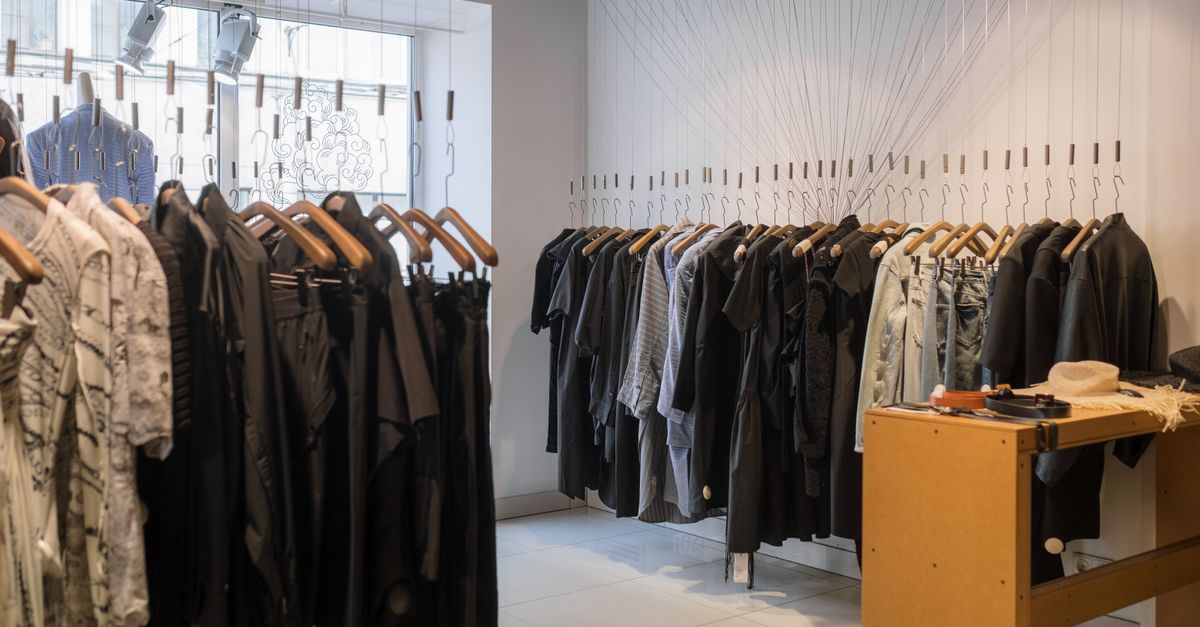
A few minutes of prep makes a real difference. Here's how to get clothes ready for consignment — cleaning, checking condition, and what to bring.
Knowing how to prepare clothes for consignment comes down to three things: make every piece clean and fresh, check its condition honestly, and hand it over organized. That's it. Twenty minutes of prep per bag can be the difference between an item selling in its first week and one that sits until it's returned to you. Here's exactly what we recommend before you bring clothes to Ada's Closet.
Why prep matters for how fast things sell
Online resale is a photo-first market. On Depop, eBay, Poshmark, and Vinted, a shopper scrolls past dozens of similar listings in seconds, and the ones that look crisp, clean, and cared-for are the ones that get tapped. A wrinkled shirt with a faint mark on the collar reads as "tired," even if it's a great brand.
Prep also protects the sale after it happens. Buyers can't touch or smell an item before they buy it, so if something arrives with a stain nobody mentioned or a musty closet smell, it's likely coming back. A return means no sale, and no payout.
Because consignors keep 50% of every sale with us, a well-prepped piece that sells quickly, at a solid price, is a better deal for you and for us. Prep is the cheapest way to raise both.
Wash, steam, and de-pill
Start with the basics. Every item should be freshly washed (or dry-cleaned if the care tag says so) and completely dry before it goes in a bag. Damp clothes packed together can pick up mildew in a day or two.
Pay attention to smell. Smoke, strong perfume, pet odor, and "basement" are the scents buyers complain about most. If a wash doesn't clear it, try a cup of white vinegar in the rinse cycle, or let the item air out outside for an afternoon.
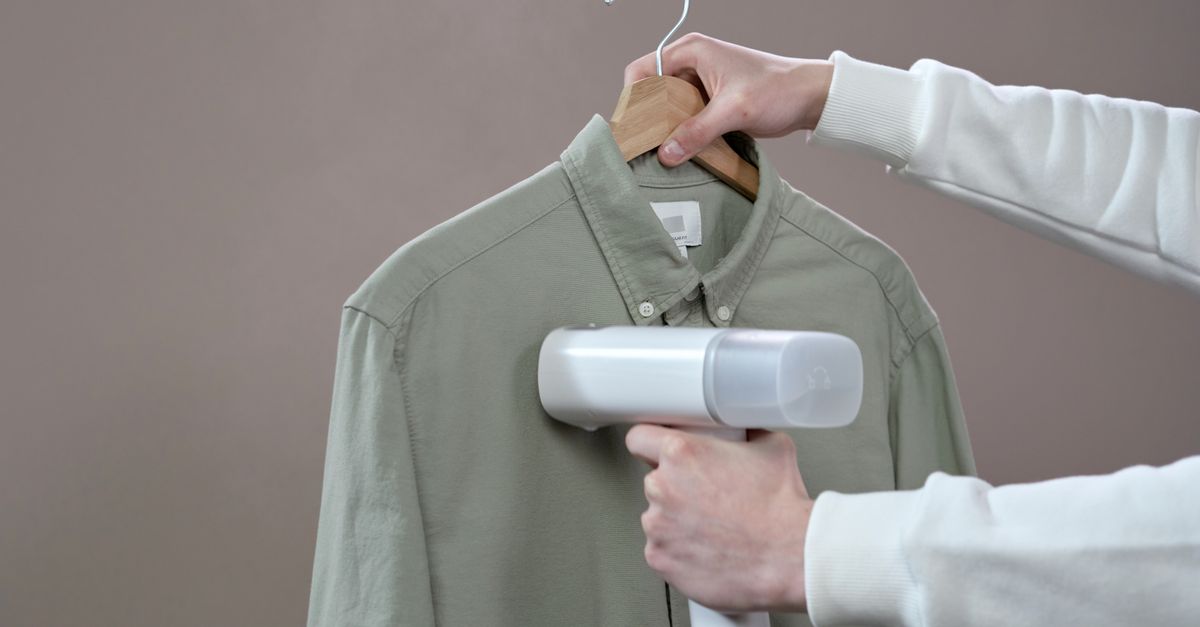
Next, get the wrinkles out. A handheld steamer is the fastest tool, but hanging clothes in the bathroom during a hot shower or running them through the dryer with a damp towel works too. You don't need them perfect, just photo-ready.
Finally, de-pill sweaters and knits. A fabric shaver costs a few dollars and makes a pilled sweater look years younger. Also snip loose threads, lint-roll anything dark, and brush off pet hair.
Check condition honestly
This is the step that saves the most time. Lay each piece out in good light, ideally near a window, and look it over front and back. Check the underarms, collar, cuffs, and hem, which is where wear shows first.
Here's a simple way to sort what you find:
| What you notice | Can it be consigned? | What to do |
|---|---|---|
| Like new, tags on or barely worn | Yes, sells best | Bring it as is |
| Light wear, no flaws | Yes | Wash, steam, bring it |
| Loose button, small snag, missing spare button | Usually | Fix it if easy, or tell us about it |
| Visible stain, hole, or broken zipper | Rarely | Donate or recycle instead |
| Heavy pilling, stretched or faded fabric | Rarely | Donate or recycle instead |
| Strong odor that won't wash out | No | Donate or recycle instead |
Quick fixes are worth it. Sewing on a button or re-threading a drawstring takes minutes and turns a "maybe" into a sale. For anything bigger, it's usually smarter to let it go. If you're not sure whether a brand or style is worth consigning at all, our guide to what clothes sell best for resale and our list of the best clothing brands to resell will help you decide.
Group your items before drop-off or pickup
A little organization goes a long way, especially if you're bringing a big batch from a closet cleanout.
Fold or hang items neatly rather than stuffing them into a trash bag. Keep sets together: a matching two-piece, a dress with its belt, shoes with both laces. If an item has original tags, extra buttons, a dust bag, or a box, include them, since those details help it sell for more.
It also helps to jot a quick note for anything worth flagging, like "worn twice," "original price $120," or "small snag on left sleeve." That context helps us price fairly and describe the item accurately.
Then decide how it's getting to us. You can drop off at 106 E Main St in Spring Arbor, or schedule a pickup anywhere in the Spring Arbor and Jackson area for a small fee. Either way, sign up first so we can connect your items to your account.
What happens after you hand them over
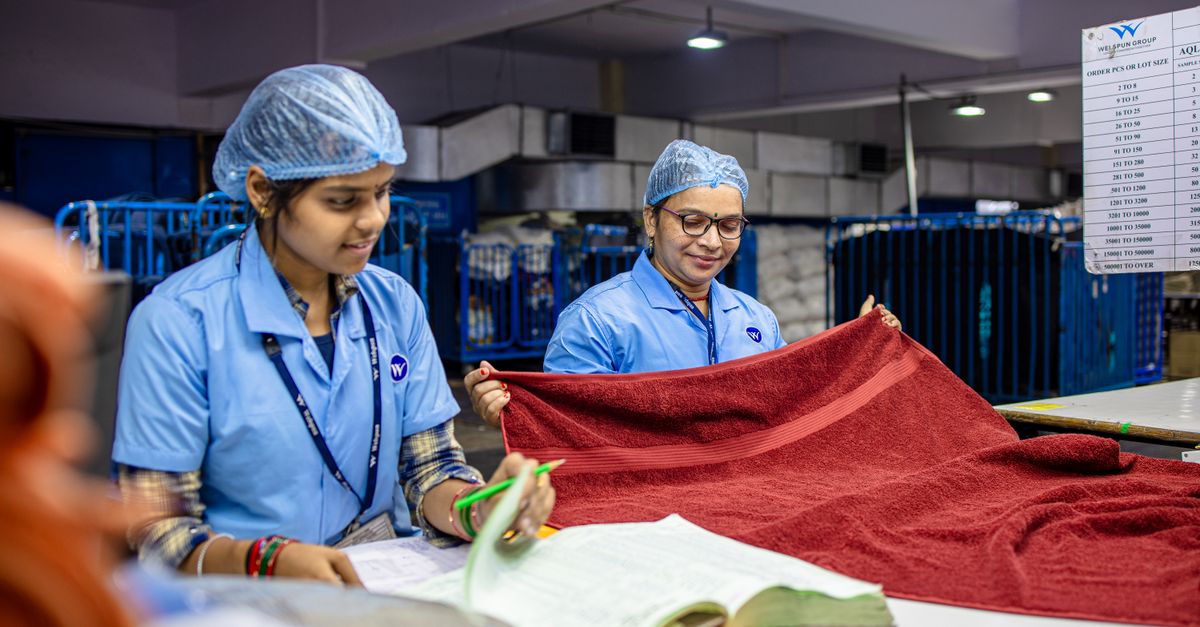
Once your clothes are with us, the hard part is off your plate. Our student team photographs, prices, and lists each piece on Depop, eBay, Poshmark, and Vinted, usually within about a week. You can read the full process on our how it works page.
When something sells, you keep 50% of the sale, paid out via Venmo or CashApp. There's nothing to pay upfront; it's free to start. If you're curious about timing and the math, how consignment payouts work breaks it all down.
Anything that doesn't sell isn't stuck in limbo. Unsold items are returned to you or donated, whichever you prefer.
How to prepare clothes for consignment: the short version
Wash it, steam it, look it over honestly, and bring it in organized. That small amount of effort makes your clothes photograph better, sell faster, and come back less often. If you've got a pile ready to go, start consigning with Ada's Closet and let us handle the listing, shipping, and selling. You can also browse what's already listed in our store.